
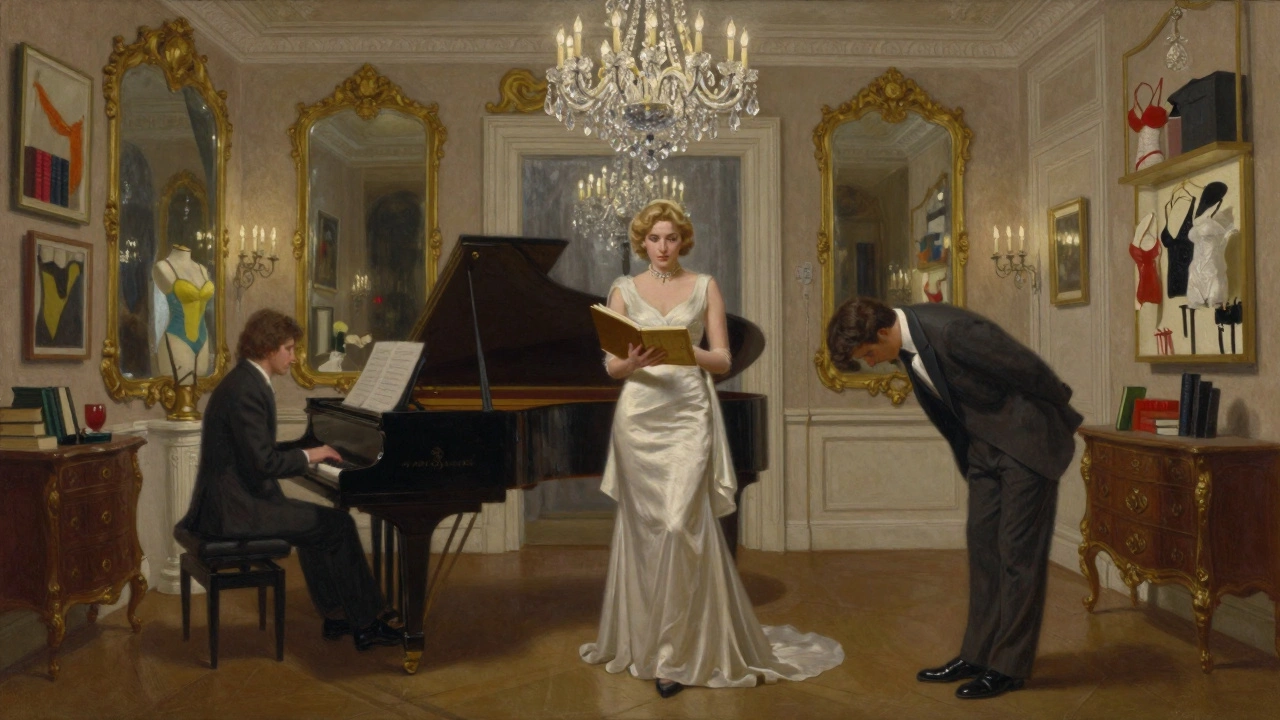
Lulu White wasn’t just a brothel madam-she was a businesswoman who turned vice into high fashion in the early 1900s. Born in 1870 in New Orleans, she rose from poverty to become the most feared and admired figure in Storyville, the city’s legal red-light district. Her establishment, Mahogany Hall, wasn’t just a place for sex-it was a theater of luxury. Marble floors, crystal chandeliers, and French silk curtains framed the rooms where elite clients paid $50 a night (over $1,800 today) for companionship that blurred the line between pleasure and performance. She didn’t just sell sex; she sold an experience. And in a time when women had few legal rights, Lulu built an empire on her own terms.
Some people today search for modern equivalents-like erotic massage dubai-thinking it’s the same kind of transaction. But Lulu’s world was different. It wasn’t about quick encounters or hidden apps. It was about reputation, exclusivity, and control. Her girls weren’t just workers-they were trained in music, etiquette, and conversation. They read poetry, played piano, and knew how to make a wealthy man feel like a gentleman, not just a customer. The idea of a body to body massage as a standalone service didn’t exist back then. Intimacy was woven into the entire evening, not packaged as a single service.
How Lulu Built Her Empire
Before Mahogany Hall, Lulu worked as a sex worker in cheaper brothels. But she noticed something: the richest clients didn’t want dirty rooms and rough hands. They wanted elegance. So she saved every penny, borrowed from sympathetic gamblers, and bought a three-story building on Basin Street. She hired architects to design interiors that looked like Parisian salons. She hired a chef who cooked for the French Quarter’s best restaurants. She even had custom-made lingerie imported from France.
Her marketing was simple but brilliant. She didn’t advertise in newspapers-too risky. Instead, she relied on word-of-mouth among bankers, politicians, and railroad barons. If you knew someone who’d been to Mahogany Hall, you got an invitation. No names were recorded. No receipts issued. It was all spoken, in hushed tones, over cigars and whiskey.
The Rules of Mahogany Hall
Lulu had rules. No violence. No drugs. No unapproved clients. If a woman broke a rule, she was fired-no second chances. But if she stayed loyal, she could earn more than a schoolteacher in a year. Lulu paid her workers in cash, gave them medical care, and even set aside money for their retirement. She didn’t see them as disposable. She saw them as assets worth protecting.
She also enforced a strict dress code. No low-cut dresses. No visible tattoos. No makeup that looked like it came from a street vendor. Her girls wore lace gloves, silk stockings, and hats that cost more than most working women made in a month. They were expected to speak French, know the names of European composers, and never mention their past. The illusion had to be perfect.
The Fall of Storyville
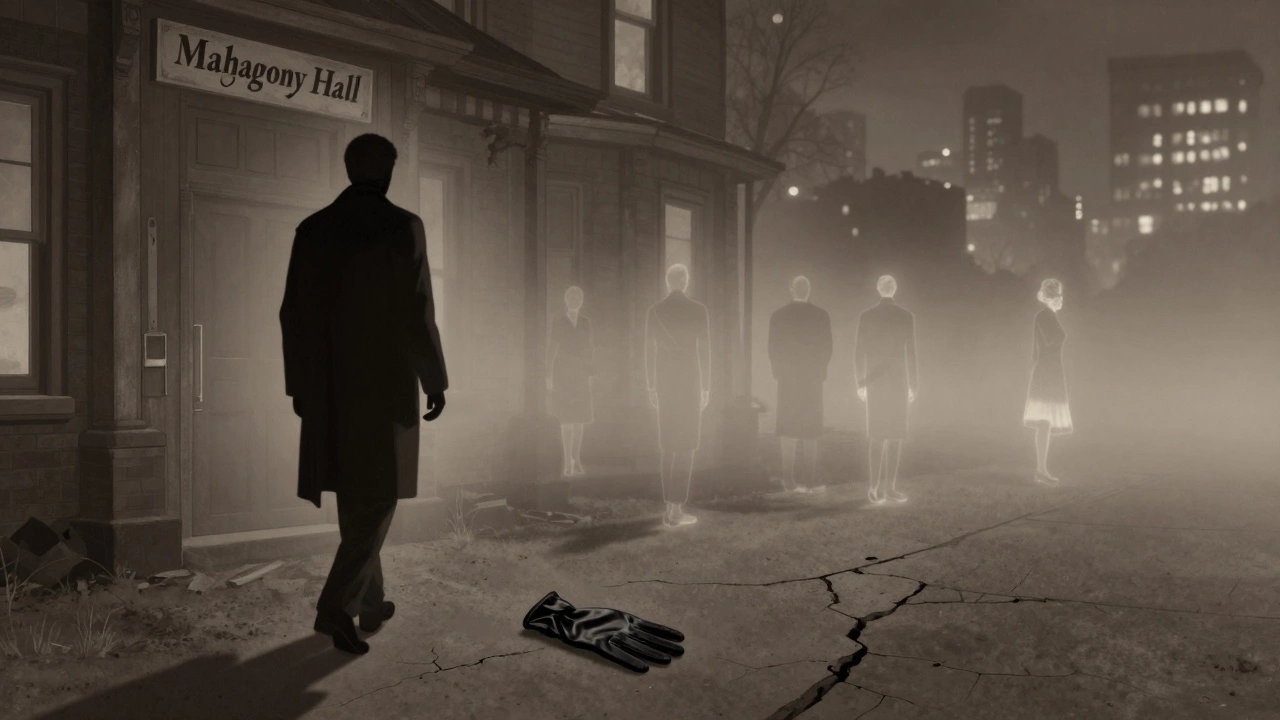
In 1917, the U.S. Navy shut down Storyville. They claimed it was to protect sailors from venereal disease. But the real reason was political pressure. Reformers, religious groups, and journalists had spent years painting the district as a moral plague. Lulu fought back. She hired lawyers. She paid off officials. But in the end, the federal government won. Mahogany Hall was boarded up. Lulu vanished.
Some say she moved to Chicago. Others claim she opened a boarding house in New York. No one knows for sure. What’s clear is that she never went back to working the streets. She had too much to lose.
What Lulu’s World Tells Us About Modern Sex Work
Today, the sex industry is digital, decentralized, and often dangerous. Workers rely on apps, social media, and encrypted messaging. There’s no madam watching over them. No one ensuring their safety. No one paying for their healthcare. The romanticized version of old brothels-like Mahogany Hall-is often mistaken for the reality of today’s erotic massage services. But the truth is, Lulu’s world offered more protection than most modern setups.
Modern workers don’t have unions. They don’t have landlords who care if they’re sick. They don’t have lawyers to defend them when clients turn violent. The illusion of choice is strong, but the system is fragile. Lulu’s model wasn’t perfect, but it was structured. And structure, even in the shadows, can mean survival.
The Legacy of Lulu White
She died in 1930, alone and poor, in a rented room in New Orleans. Her fortune was gone. Her name was buried. But her story didn’t disappear. Historians now see her as a symbol of female agency in a world that tried to erase women like her. She didn’t ask for permission. She didn’t wait for change. She built her own rules.
Today, if you walk through the remains of Storyville, you’ll see a quiet street with a small plaque. It doesn’t mention Lulu White by name. But if you know where to look, you’ll find her legacy-not in statues, but in the way modern sex workers fight for rights, safety, and dignity. She was the first to prove that even in the darkest corners of society, a woman could control her own fate.
The idea of an erotic massage as a standalone service might feel modern, but the desire for intimacy, comfort, and control has always been there. Lulu understood that. She didn’t sell bodies. She sold presence. And that’s what made her unforgettable.