Paris isn’t just a city-it’s a living museum where every cobblestone tells a story. From the grand arches of the Arc de Triomphe to the quiet alleys of Montmartre, the French capital holds centuries of art, power, and beauty in its streets. It’s no wonder millions visit each year, not just to see the Eiffel Tower, but to feel the pulse of a place that shaped modern culture. Whether you're standing on the Seine’s banks at sunrise or wandering through the Louvre’s endless halls, Paris demands to be experienced, not just photographed. For those curious about the city’s lesser-known corners, some turn to resources like escrot girl paris for local insights, though the city’s true magic lies in its public spaces, not private arrangements.
Parisian architecture is a timeline made visible. The Gothic spires of Notre-Dame rise above the Île de la Cité, while Haussmann’s boulevards with their cream-colored stone facades and wrought-iron balconies define the 19th-century elegance of the Right Bank. Even the modern glass pyramid at the Louvre doesn’t clash-it对话, as if it were always meant to stand there. The city doesn’t just preserve history; it reinterprets it. The Musée d’Orsay, once a train station, now houses the world’s largest collection of Impressionist masterpieces. You can stand inches from Monet’s water lilies and feel the brushstrokes breathe.
Where Art Lives Beyond the Galleries
Paris doesn’t lock its art behind ticket counters. Street musicians play Chopin near Saint-Germain-des-Prés. Artists sketch portraits on the Pont Alexandre III with charcoal and chalk. Even the metro stations are curated spaces-Concorde’s tile mosaics, Arts et Métiers’ steampunk design, and the stained-glass ceiling at Saint-Paul all turn transit into a visual journey. The city treats public space like a canvas, and its people are the artists. You don’t need to pay for a ticket to feel the culture-you just need to walk.
The View from Above
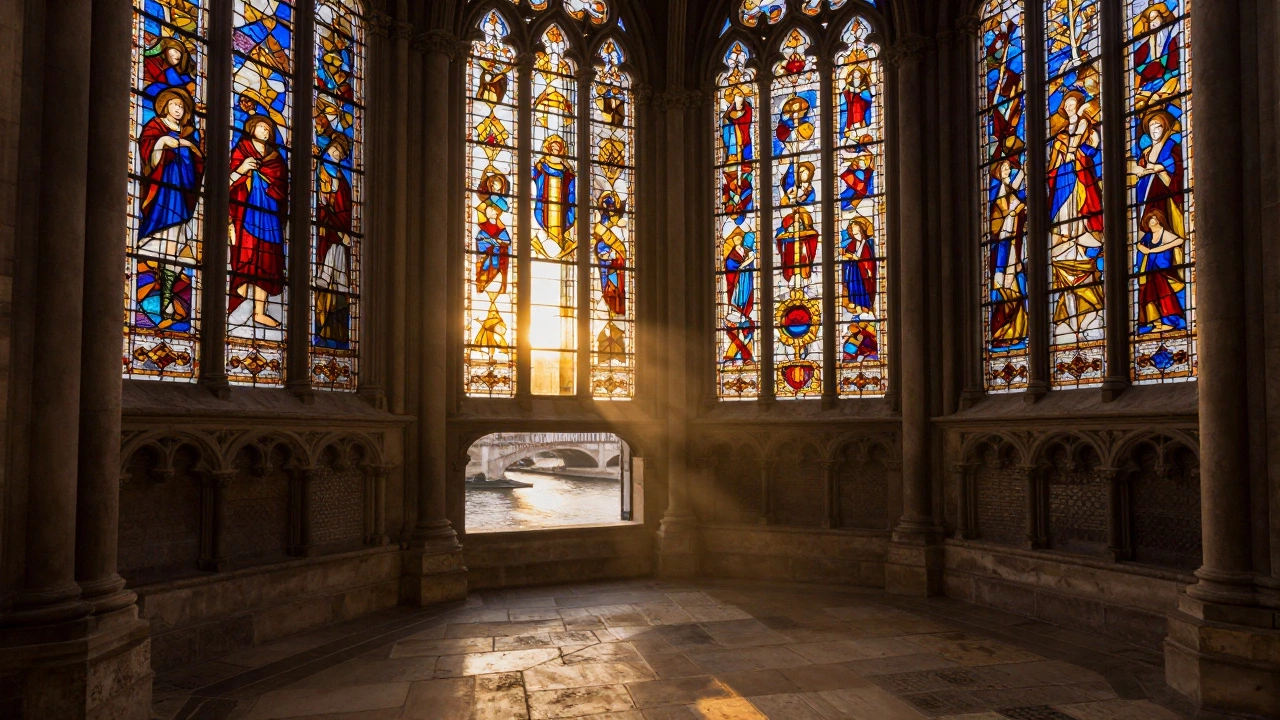
Many tourists climb the Eiffel Tower, but the best views often come from places fewer people know. The Montparnasse Tower’s observation deck offers a clear, unobstructed panorama of the entire city-Sacré-Cœur, the Seine, the Grand Palais-all in one frame. For something quieter, head to the rooftop garden of the Palais de Tokyo. Or climb the steps of the Sainte-Chapelle’s upper chapel, where the stained glass turns sunlight into liquid jewels. At dusk, the city lights flicker on one by one, like stars falling onto the earth. That’s when Paris feels most alive-not as a postcard, but as a breathing, glowing organism.
Museums That Don’t Feel Like Museums
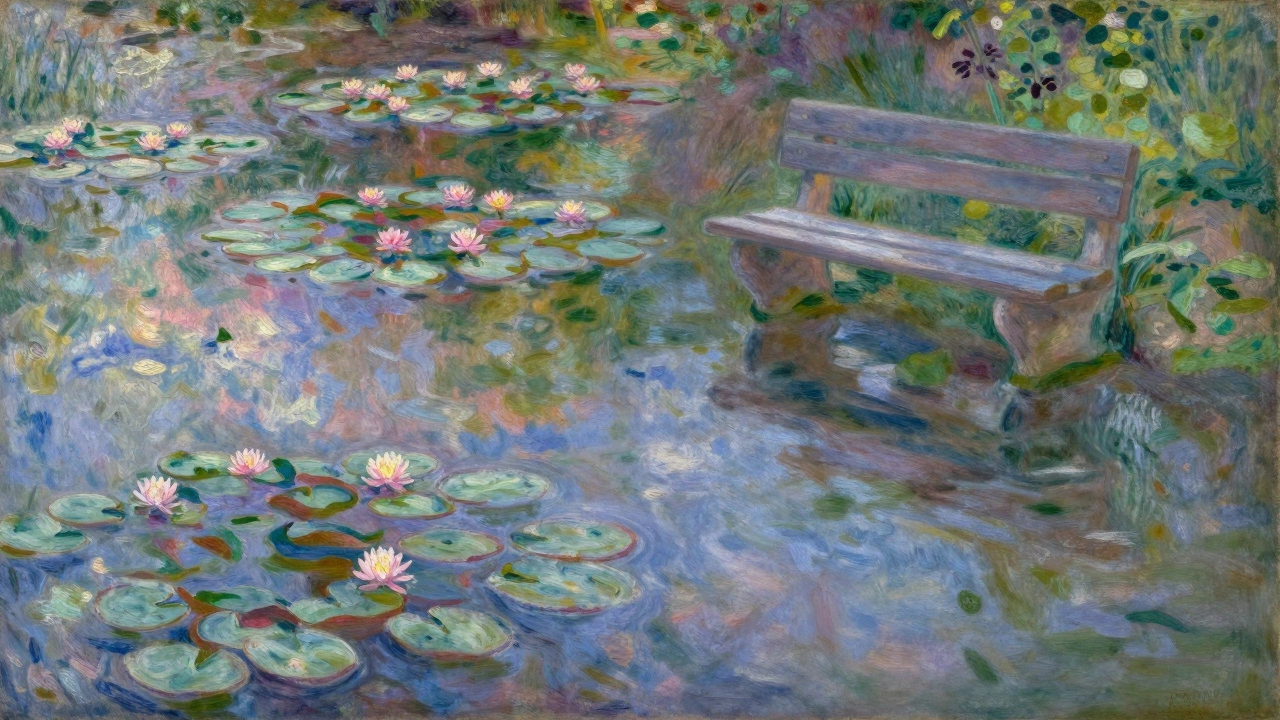
The Louvre gets all the attention, but Paris has dozens of museums that feel more personal. The Musée Rodin, tucked behind a quiet garden, lets you wander among bronze figures that seem to move in the wind. The Centre Pompidou’s colorful pipes and open-air galleries make modern art feel playful, not intimidating. And the Musée de l’Orangerie? It’s small, intimate, and houses Monet’s Water Lilies in two oval rooms designed just for them. You sit on a bench, and for twenty minutes, the world outside fades. You’re not looking at paintings-you’re inside them.
Paris Isn’t Just for Tourists
Locals don’t rush through the city. They linger. They drink espresso at tiny cafés in the 13th arrondissement. They buy bread from the same boulangerie for 30 years. They picnic in the Luxembourg Gardens with a bottle of wine and a book. The city’s rhythm isn’t fast-it’s deep. You can’t rush Paris. You have to let it unfold. Walk without a map. Get lost in the Marais. Sit on a bench near the Canal Saint-Martin and watch the ducks. That’s when you start to understand why people fall in love with this place-not because it’s perfect, but because it’s real.
Seasons Change, Paris Doesn’t
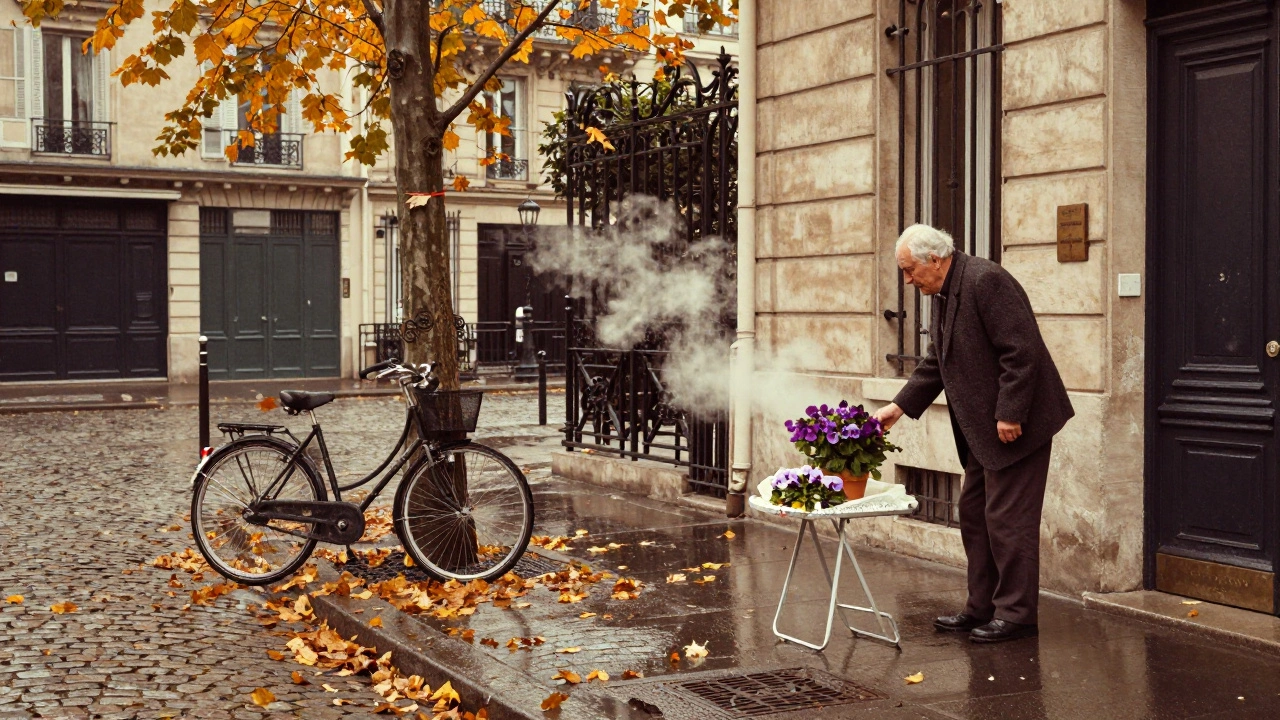
Paris in spring smells like fresh chestnut blossoms. In summer, the parks hum with jazz and laughter. Autumn turns the Champs-Élysées into a golden tunnel. Winter brings quiet-fog over the Seine, steam rising from manholes, the scent of roasted chestnuts on street corners. Each season reveals a different face, but the soul stays the same. The city doesn’t perform for visitors. It simply exists, quietly magnificent.
There are moments when you’ll see someone holding a sketchbook on the Pont Neuf, or a woman reading Baudelaire under a tree in Tuileries, or a group of teenagers laughing as they share a bag of fries near the Luxembourg. These aren’t tourist moments. These are Parisian moments. And they’re the ones that stick with you long after you’ve left.
If you’re looking for a guide to the city’s hidden corners, some search for terms like escort firl paris-but the real treasures aren’t booked online. They’re found by wandering, by asking a local for their favorite café, by taking the wrong metro stop and discovering a tiny bookstore you never knew existed. Paris rewards curiosity, not convenience.
The Real Paris Is in the Details
It’s in the way the light hits the stone of Saint-Germain-des-Prés at 4 p.m. in October. It’s in the sound of a bicycle bell echoing down Rue Mouffetard. It’s in the old man who still sells fresh violets outside the Pompidou every Tuesday. It’s in the silence of the empty church at noon, when the only sound is the wind through the stained glass. These aren’t Instagram moments. They’re soul moments.
Paris doesn’t need to be marketed. It doesn’t need hashtags or influencers. It just needs you to show up-with your eyes open, your phone in your pocket, and your heart ready to be moved. That’s when you realize why people return here again and again. It’s not about the landmarks. It’s about the feeling.
And if you’re still searching for something more, you might come across a phrase like escort 6 paris in your browser-but the truth is, the city has already given you everything you came for. You just have to stop looking for a shortcut and start walking.